Buying Acreage in Loxahatchee FL: Key Checks Before You Buy
May 7, 2026
May 7, 2026
You can love the space, the privacy, and the idea of country living in Loxahatchee, but acreage buying comes with a different kind of homework. Unlike a typical subdivision purchase, one parcel can have very different well, septic, access, flood, and zoning conditions than the lot next door. If you want to avoid expensive surprises, this guide will show you the basics to verify before you commit. Let’s dive in.
In Loxahatchee, buying land is often a parcel-by-parcel decision, not just a neighborhood decision. Many properties in western Palm Beach County rely on private wells and septic systems instead of public utility service, and those systems are reviewed and permitted by the county health department before a building permit or certificate of occupancy can move forward.
That means your due diligence should start with the land itself. You want to know how the property is served, what is already permitted, and whether your intended use fits the parcel's zoning and site conditions.
Palm Beach County also states that every property in the county carries some flood risk. For acreage buyers, that makes elevation, drainage, and flood-zone review part of the first round of due diligence, not something to leave until the end.
Before you focus on what you want to build or keep on the property, confirm the exact parcel and who governs it. In Palm Beach County, the parcel control number, or PCN, can help you determine whether the property is in unincorporated county jurisdiction or inside a municipality.
The county notes that a PCN beginning with 00 indicates unincorporated Palm Beach County, while other prefixes indicate a municipality. This matters because zoning and development rules can differ depending on jurisdiction.
In unincorporated Palm Beach County, every property has a zoning district, and zoning must be consistent with future land use for development. The county directs buyers to verify zoning through myGeoNav, which makes this one of the first checks worth doing before you move too far into a purchase.
For acreage properties in western Palm Beach County, several zoning districts show up often. Common examples include AR, RE, AP, and sometimes AGR.
The AR district is intended to protect a rural lifestyle and allow nonurban uses that do not detract from adjoining rural or residential lands. RE is meant to serve as a transition between agricultural or conservation lands and more urban residential communities.
AP is designed for bona fide agriculture and farming-related operations. AGR is preserved primarily for agricultural, environmental, water-resource, and open-space uses.
These labels are useful, but they are only the starting point. The real question is whether your planned use fits the exact parcel, lot size, and standards that apply there.
Acreage buyers often assume that if a property looks rural, almost any rural use will be allowed. In practice, uses such as horses, barns, agricultural production, vehicle storage, or business-related activity may each trigger separate standards.
This is especially important if you are buying with a specific plan in mind. If you want room for animals, equipment, trailers, or a future outbuilding, verify those details early instead of assuming they can be worked out later.
County guidance also notes that farm animals are prohibited in residentially zoned districts. That is one reason zoning confirmation should happen before you waive contingencies.
If equestrian use is part of your plan, the details matter. Palm Beach County separately defines private and commercial stables, and those uses depend on the zoning and the lot size.
For example, a private stable with 12 stalls or fewer on a single-family parcel is treated as an accessory structure. Boarding for up to four horses is allowed on sites of at least two acres, while a commercial stable requires at least five acres along with its own frontage and setback standards.
Those distinctions can materially affect whether a property fits your goals. Even if a parcel feels large enough, you still need to confirm the specific standards tied to that zoning district.
If part of the value of a property depends on agricultural status, ask for documentation. County planning may require either a valid agricultural tax classification from the property appraiser or a sworn affidavit with supporting documents.
This can affect permitted uses, tax treatment, and future development-rights questions. If agricultural status is part of your purchase decision, it is smart to verify it with paperwork, not just a listing description or verbal explanation.
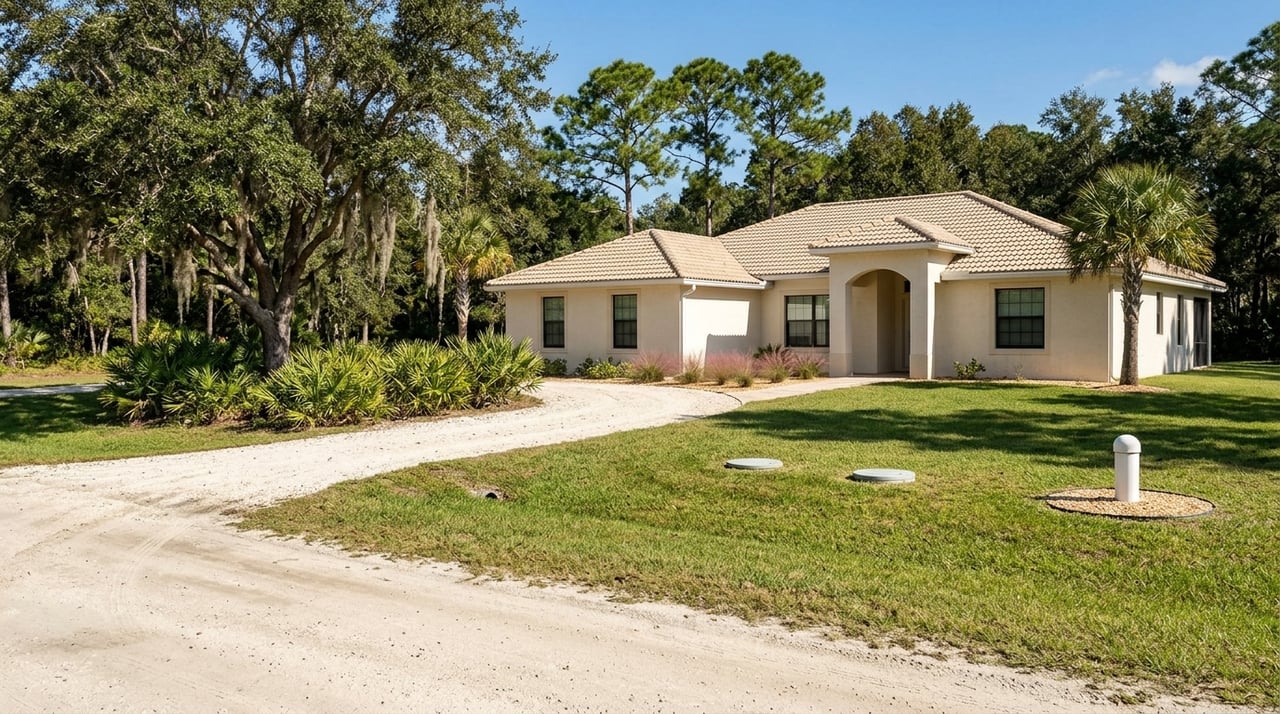
On many Loxahatchee acreage properties, private well and septic systems are not minor details. They are core systems that deserve the same level of attention you would give a roof, foundation, or financing terms.
Palm Beach County's health department reviews septic systems, private wells, and limited-use wells. Plans must be approved before a building permit is issued, and final well or septic inspection approval must be recorded before a certificate of occupancy is issued.
The well review process also checks proposed well locations against hazardous areas, including septic tanks and wastewater. If you are buying vacant land or a parcel with plans for future construction, this is especially important.
Before waiving contingencies, pull the permit history for the septic and well systems. You should also ask for any available inspection records, repair records, or other documentation that helps show the age and condition of those systems.
For a buyer, this step can reveal whether the property has a documented system, whether work was properly permitted, and whether there may be issues that affect financing, insurability, or future improvements. On acreage, utility history often tells you a lot about the parcel.
Florida's health guidance says private well owners are responsible for making sure their water is safe to drink, and annual testing is recommended. The state also notes that bacteria and nitrate can reach groundwater through poorly maintained septic systems, livestock areas, fertilizer application, or poorly constructed wells.
That makes water testing an important part of the inspection period for a home served by a private well. If you are buying acreage for residential use, this is a practical step that helps you understand both current conditions and future maintenance needs.
Buyers sometimes focus so much on the land that they forget to ask a simple question: who owns the road? On acreage properties, access can be just as important as utilities.
Palm Beach County Engineering maintains county-owned rights-of-way only. If a property is served by a privately owned right-of-way, maintenance is the responsibility of the private owner.
That is why you should confirm road ownership, maintenance obligations, and any easements during due diligence. If access depends on a private road, you want to know who pays, who maintains it, and what rights you actually have.
The county also restricts where recreational and commercial vehicles can be parked or stored on residential property. If you plan to keep trailers, equipment, or work trucks on site, verify those rules early.
Flood review should happen before you write a strong offer, not after. Palm Beach County says updated FEMA flood maps became effective on December 20, 2024, and more than 16,000 parcels will have a base flood elevation increase of one foot or more.
The county also states that all Palm Beach County residents live in a flood zone, and that low risk does not mean no risk. For acreage buyers, this can affect building decisions, drainage planning, insurance cost, and long-term carrying costs.
For unincorporated parcels, county flood staff may help with drainage concerns or site visits, but flood information should still be confirmed with an official flood-zone determination from a Florida licensed engineer, architect, or surveyor. Buyers should also ask whether an elevation certificate is already on file.
Flood insurance is separate from a standard homeowners insurance policy, and most homeowners insurance does not cover flood damage. If a property is in a Special Flood Hazard Area and your mortgage is government-backed, flood insurance may be required.
Palm Beach County also notes one local benefit for unincorporated properties: owners receive a 25% flood insurance discount through the county's Community Rating System, although the exact discount varies by community. Even so, pricing insurance early is the best way to understand your true monthly and annual ownership costs.
If you are buying acreage in Loxahatchee, a clear order of operations can save time and reduce risk. Here is a practical sequence based on county guidance.
Each one of these steps helps you evaluate whether the parcel truly matches your goals. On acreage, the right property is not just about price or location. It is about whether the land works for the way you plan to use it.
Acreage transactions often involve more moving parts than a typical home purchase. You may need input from zoning, environmental health, engineering, surveying, floodplain review, and insurance professionals before you have a full picture.
That is where local coordination becomes valuable. With the right guidance, you can ask better questions early, line up the right records, and avoid committing to a parcel that does not fit your plans.
Janet Cordero brings more than 25 years of Palm Beach County real estate experience, along with practical financing insight that helps buyers look beyond the list price and evaluate the full cost of ownership. If you are exploring acreage in Loxahatchee and want a clear, high-touch approach to due diligence, connect with Janet Cordero.
Unlock the door to your real estate dreams with Janet. Do you desire the coastal lifestyle with our region's stunning beaches or the more rural setting with acreage? We have it all with vast real estate opportunities. Janet will match you with the perfect buyer-seller experience while delivering exceptional results.