What to Check Before Buying Palm Beach Country Estates Acreage
June 11, 2026
June 11, 2026
Looking for more space in northern Palm Beach County without giving up convenience? Palm Beach Country Estates stands out because it offers estate-style living on minimum 1-acre wooded properties in an established community just west of I-95 off Donald Ross Road. If you are thinking about buying here, the biggest key is understanding that not every parcel works the same way, and the right due diligence can save you time, money, and stress. Let’s dive in.
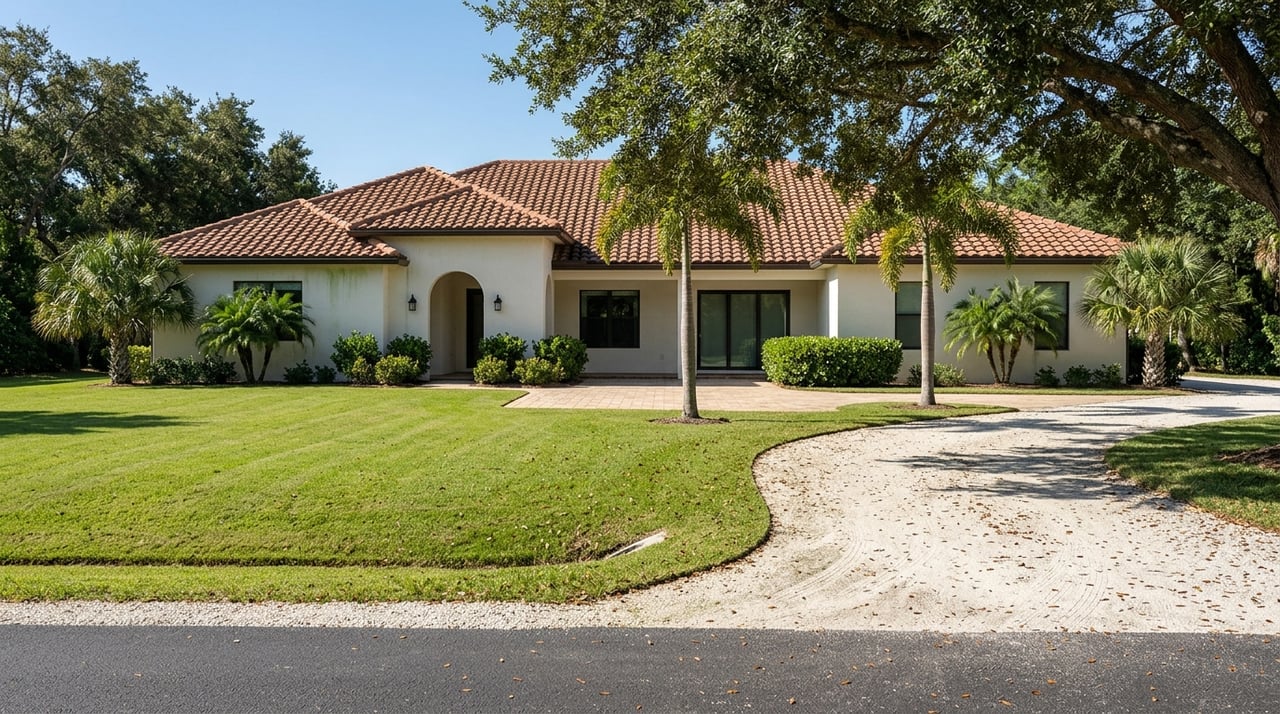
Palm Beach Country Estates is a roughly 2,000-acre suburban community in Palm Beach County with about 1,500 homes built. According to the community landowners site, homes are custom single-family residences on minimum 1-acre wooded lots. That creates a different buying experience than you would find in a more uniform subdivision.
One of the biggest lifestyle differences is that the landowners organization is voluntary and is not a POA or HOA. In practical terms, that means your ownership experience is shaped more by the specific parcel, county requirements, and utility setup than by a mandatory homeowners association. For many buyers, that is a major part of the appeal.
Acreage in Palm Beach Country Estates can offer more privacy, more room between homes, and more flexibility for a custom-home feel. At the same time, acreage buying often comes with more property-level questions than a typical suburban purchase. You are not just buying a house or a lot. You are buying the conditions that come with that land.
That is especially important in PBCE because the neighborhood developed through many recorded sections rather than one single uniform plat. Palm Beach County's plat index shows multiple sections, including A through Z and other recorded areas. So even if two properties share the same neighborhood name, their layout, shape, and practical use can be very different.
In Palm Beach Country Estates, the parcel itself deserves as much attention as the home on it. A beautiful listing photo does not tell you everything you need to know about access, easements, drainage, or utility readiness. Those details can affect both your short-term costs and your long-term plans.
A smart first step is reviewing Palm Beach County's Property Appraiser GIS records. The county says this is the official ownership map, includes aerial imagery, and offers extensive parcel-level data. This is one of the best ways to compare the legal description, map boundaries, and physical layout before you move forward.
Do not rely only on the street address or neighborhood label. In PBCE, the legal description and recorded plat can reveal differences that are not obvious from a quick online search. If you are comparing multiple properties, this can help you avoid treating unlike parcels as if they were interchangeable.
This matters even more if you are looking at vacant land. A vacant lot may seem straightforward, but buildable area, shape, access points, and drainage conditions can all affect what is realistic on the site.
Tree cover and lot shape can change how a parcel feels and functions. A county aerial image may show vegetation patterns, clearings, and neighboring improvements that a basic listing description skips. The recorded plat can then help you understand how the parcel was laid out and how it relates to surrounding tracts.
For improved homes, that same review still matters. An existing structure does not automatically eliminate questions about future permitting, drainage review, or other site considerations.
One of the biggest mistakes acreage buyers make is assuming every property has the same utility setup. In Palm Beach Country Estates, that assumption can lead to surprises.
According to the South Indian River Water Control District, the community's potable water system is tied to the Town of Jupiter through an interlocal agreement. The district also reports that the connection program began in 2005 and that as of December 31, 2025, there were 1,348 potable-water connections. That tells you water service exists widely in the community, but not every parcel should be assumed to be connected without verification.
Before you make an offer, ask:
The district also notes that fire hydrants were installed throughout the community with a maximum separation of 500 feet. That is useful community context, but you should still confirm the current service status of the specific property you are considering.
For wastewater and private well questions, Palm Beach County's health department maintains separate environmental health resources. The most important takeaway for buyers is simple: verify the actual setup parcel by parcel. Do not assume there is one standard wastewater arrangement across all of PBCE.
If a home uses septic, you will want records and clear information about that system during due diligence. If you are buying land or planning future improvements, utility planning becomes even more important.
If you only remember one technical point about buying acreage in Palm Beach Country Estates, make it this one: drainage and fill matter. The South Indian River Water Control District specifically highlights driveway culverts, lot filling, and permit-related issues for projects in the area.
That means even a project that sounds simple on paper may involve more coordination than you would expect on a standard neighborhood lot. If your plan includes new construction, site work, driveway changes, or major landscaping, you will want to understand the permitting path early.
SIRWCD explains that county codes are intended to preserve drainage conveyance and protect surface-water resources. The district also states that minor fill for landscaping, gardening, or driveway maintenance is limited to 20 cubic yards per 1-acre lot in any 24-month period without county permitting. Larger fill projects or pond-filling work may require review or a site development permit.
That is a very practical issue for buyers because fill costs, site prep, and approvals can affect both budget and timeline. A lot that appears usable at first glance may still need meaningful work before it fits your plans.
The county Permit Center handles building permits in unincorporated Palm Beach County. Since PBCE buyers are often dealing with custom homes, additions, land improvements, or vacant parcels, permit review is part of the buying conversation much more often than in a typical resale subdivision.
This does not mean buying in PBCE is overly complicated. It means you should approach the purchase with the right expectations and a parcel-specific checklist.
Before you move forward on a Palm Beach Country Estates property, it helps to review a few basics:
Palm Beach County's neighborhood dashboard can also help at the address level by showing items such as flood zone, nearby roads, road-maintenance authority, water service, and property information. The county notes that the dashboard is informational and should be confirmed with the relevant government entity, which is a good reminder to treat it as a starting point, not the final word.
Palm Beach Country Estates tends to attract buyers who value space, privacy, and a more custom property feel. Because the community does not operate like a mandatory HOA subdivision, your day-to-day experience is influenced more by your lot, your home, and county-level rules than by association control.
That lifestyle can be a strong match if you want room to spread out and appreciate a wooded, estate-lot setting in northern Palm Beach County. It can be less ideal if your top priority is a highly uniform neighborhood with turnkey infrastructure assumptions on every parcel.
PBCE also includes community amenities without feeling like a master-planned development. Margaret Berman Memorial Park, maintained by the district, includes pavilions, a racquetball court, a half basketball court, a half pickleball court, playground equipment, benches, and a walking trail, and it is open from sunrise to sunset.
With acreage property, your budget should include more than the contract price. Depending on the parcel, you may need to account for utility connection questions, site prep, drainage work, fill, driveway culverts, or future permit costs. These items are not automatic on every property, but they are important enough to evaluate before you commit.
You should also keep in mind that Palm Beach County's Property Appraiser is the official source for county property records and determines assessed value as of January 1 each year. If you are comparing parcels, checking official records can give you a more grounded starting point.
The best way to think about Palm Beach Country Estates is this: you are not just choosing the neighborhood. You are choosing a specific parcel with its own mix of size, access, utility readiness, drainage conditions, and future flexibility.
That is why local guidance matters so much here. When you understand the details early, you can move with more confidence, negotiate from a stronger position, and avoid expensive surprises after closing.
If you are exploring acreage in Palm Beach Country Estates and want help evaluating the real-world pros and cons of a property, Janet Cordero can help you compare options, spot due-diligence issues early, and make a more confident move in northern Palm Beach County.
Unlock the door to your real estate dreams with Janet. Do you desire the coastal lifestyle with our region's stunning beaches or the more rural setting with acreage? We have it all with vast real estate opportunities. Janet will match you with the perfect buyer-seller experience while delivering exceptional results.