Out-Of-State Buyer Guide To Juno Beach Condos
June 4, 2026
June 4, 2026
Thinking about buying a condo in Juno Beach from out of state? It can feel exciting and overwhelming at the same time, especially when you are trying to compare buildings, understand Florida condo rules, and make decisions from a distance. The good news is that with the right local guidance and a smart review process, you can buy with much more clarity and confidence. Let’s dive in.
Juno Beach is a small coastal town with a very limited footprint. According to town information, it covers about 2.65 square miles, sits between the Intracoastal Waterway and the Atlantic Ocean, and is already 98.7% developed.
That matters if you are shopping for a condo here. In a built-out beach market like Juno Beach, inventory is shaped more by existing buildings and redevelopment than by brand-new expansion. That can make each building feel like its own micro-market.
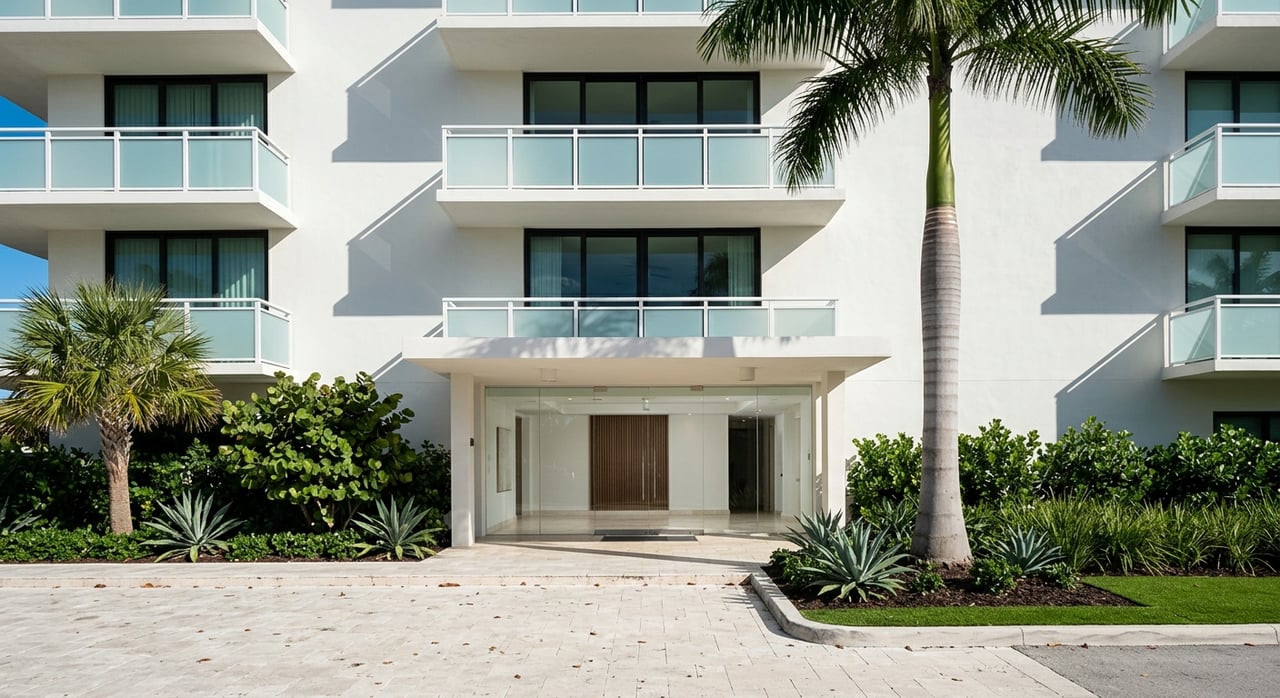
The town is also described as predominantly residential, with condos, oceanfront estates, and a lifestyle that works for both seasonal residents and full-time owners. For out-of-state buyers, that usually means you are not just picking a unit. You are choosing a building, a location style, and a long-term ownership experience.
One of the first choices you will face is whether you want direct oceanfront exposure or a location closer to the Intracoastal side of town. Both can be appealing, but they offer different experiences.
Oceanfront condos tend to emphasize direct beach access and Atlantic views. Intracoastal-adjacent condos may offer waterway views and a different feel day to day. They can also come with a different wind and flood exposure profile, which is worth factoring into both inspections and insurance planning.
Juno Beach identifies coastal shoreline areas, Pelican Lake, and inland bodies of water as flood-prone. That means flood risk is not the same from one building to the next, even within a small town.
If you are buying from another state, this is one of the easiest issues to underestimate. Before you get too far into a deal, confirm the flood zone and understand how that specific location could affect insurance costs, resilience planning, and future ownership costs.
It is easy to fall in love with updated kitchens, water views, and stylish interiors. But in Florida condo buying, the building itself matters just as much as the unit.
A condo can look beautifully maintained on the surface while still carrying deferred maintenance, reserve shortfalls, or future special assessment risk. For out-of-state buyers, that is why due diligence needs to focus on the association and building condition, not only on the décor.
Florida requires milestone inspections for condominium and cooperative buildings that are three habitable stories or higher once they reach 30 years of age, and then every 10 years after that. Residential condominium associations with buildings three stories or higher must also complete a structural integrity reserve study at least every 10 years.
That reserve study covers major components such as:
Current law also limits unit-owner-controlled associations from adopting budgets that underfund required reserves for those items after December 31, 2024. For you as a buyer, the key takeaway is simple: ask what work has been done, what is planned, and how the association is funding it.
Florida gives resale condo buyers access to an important set of documents. These should be reviewed as early as possible, especially if you are buying remotely.
Under Florida law, a prospective purchaser is entitled to receive documents that include the declaration, articles of incorporation, bylaws and rules, annual financial statement and budget, and the FAQ document. If applicable, the package can also include the inspector-prepared milestone summary, the most recent structural integrity reserve study, and any turnover inspection report.
Florida law also gives buyers a statutory right to cancel within 7 days, excluding Saturdays, Sundays, and legal holidays, if the required documents are delivered after the contract is signed. That protection is helpful, but it is even better to identify concerns before you are deep into the transaction.
If you are serious about a Juno Beach condo, try to review these materials before final commitment whenever possible. It can save time, reduce stress, and help you avoid surprises.
The list price is only part of the ownership picture. In a condo purchase, your true carrying cost may also include regular association fees, reserve contributions, insurance, and the possibility of special assessments.
Florida law says unit owners are liable for assessments that come due while they own the property. It also says special assessments must be described in written notice and used only for the stated purpose.
Before closing, the estoppel certificate is a critical document. It must show assessment information and the association’s insurance contact details.
For an out-of-state buyer, this is one of the best tools for confirming whether there are unpaid balances, recurring charges, or upcoming financial obligations that affect your decision. In short, do not evaluate a condo by purchase price alone.
Insurance is a major part of buying near the coast, and it should be part of your process early, not at the end. In Florida, condo unit owners generally need an HO-6 policy, which primarily covers personal property and liability and may include loss-assessment coverage.
Florida insurance guidance also notes that standard homeowners insurance does not cover flood. Juno Beach’s own flood information says the town is a barrier island where a separate flood policy is necessary.
Juno Beach participates in FEMA’s Community Rating System as a Class 5 community. The town says that can translate into a 25% flood-insurance discount in Special Flood Hazard Areas and a 10% discount in non-SFHA areas.
The town also notes a 30-day waiting period before flood insurance is fully effective. If you are timing a closing from out of state, that is an important planning detail.
If you are using financing, project approval matters just as much as your personal loan approval. Some condo buildings are easier to finance than others.
Fannie Mae notes that condo projects can become ineligible when they have critical repairs, inadequate insurance, significant litigation, or hotel-like or daily or short-term rental characteristics. It also points out that shared repairs may need to be paid through reserves or special assessments.
A smart move is to ask your lender to review condo project eligibility as early as possible. If you want FHA financing, you should also confirm whether the project appears in HUD’s condominium approval search because FHA approval is project-specific.
This step can protect you from losing time on a unit that looks perfect but is difficult to finance. Janet Cordero’s mortgage background can be especially valuable here because financing details often affect both offer strategy and negotiation strength.
If you are buying a Juno Beach condo from another state, use this checklist before you remove contingencies or move too far forward:
This kind of front-end work is especially important when you are not local and cannot easily revisit the building multiple times.
Even though Juno Beach is a small market, seasonality still matters. Florida Realtors says condo market data should be read with seasonal cycles in mind rather than only month-to-month swings.
In a coastal market with seasonal and second-home demand, winter can often bring more buyer activity and firmer negotiation on well-positioned units. That does not mean every condo sells quickly, but it does mean timing, building quality, and financial health can all influence leverage.
When you are buying from a distance, it helps to narrow your focus to the factors that matter most:
A beautiful unit in the wrong building can become an expensive lesson. A well-chosen condo in a sound building can be a much better long-term fit.
Buying from out of state requires more than opening doors and writing a contract. You need local insight, fast communication, and someone who understands how financing, insurance, condo documents, and building-level risk all connect.
With more than 25 years of experience in northern Palm Beach County and an early background in mortgage origination, Janet Cordero brings both local market knowledge and practical financing perspective to the condo search process. If you want clear guidance on Juno Beach buildings, ownership costs, and the details that can affect your purchase, connect with Janet Cordero.
Unlock the door to your real estate dreams with Janet. Do you desire the coastal lifestyle with our region's stunning beaches or the more rural setting with acreage? We have it all with vast real estate opportunities. Janet will match you with the perfect buyer-seller experience while delivering exceptional results.